
The Allure of Chance: Understanding Risk-Taking Behavior
The psychology behind casino game choices often revolves around the allure of chance and the thrill associated with risk-taking behavior. Many individuals are drawn to gambling due to the excitement of uncertainty, which can trigger the release of dopamine, a neurotransmitter linked to pleasure and reward. This biochemical response creates a euphoric sensation, making the act of placing a bet feel exhilarating, especially when players explore the best online pokies that promise even more thrills. The anticipation leading up to the outcome—whether it’s a spin of the wheel or the flip of a card—can heighten emotional engagement, encouraging players to choose games laden with uncertainty.
Furthermore, people’s willingness to engage in risky behaviors can be influenced by several psychological factors, including personality traits and social contexts. For instance, individuals who score high on traits such as sensation-seeking may gravitate toward games with higher volatility, such as slot machines or poker, where the potential for substantial winnings exists alongside the risk of loss. Social influences also play a critical role; players often choose games that are part of communal experiences, such as blackjack or roulette, where they can share the thrill with friends or fellow gamblers, thereby enhancing the overall experience.
Understanding why players are drawn to specific types of games is crucial for both casinos and developers. By recognizing these psychological tendencies, casinos can tailor their offerings to align with player interests, thus enhancing customer satisfaction. This awareness allows developers to create games that not only appeal to risk-takers but also provide safe environments for those who may be more cautious, ensuring that their gaming experiences are enjoyable and responsible while maximizing engagement.
The Role of Cognitive Biases in Game Selection
Cognitive biases significantly impact how players make their choices within a casino environment. One prevalent bias is the illusion of control, where players believe they can influence the outcome of a game through their actions, even when the game is governed predominantly by chance. This belief can lead individuals to favor games like blackjack, where strategic decisions appear to affect the results, despite the inherent randomness involved. As players engage with these games, they feel empowered, which often drives further participation and commitment to those choices.
Another cognitive bias at play is the gambler’s fallacy, which leads individuals to believe that past outcomes influence future events. For example, if a player notices that a certain number has not come up in roulette for a while, they may wrongly presume that it is “due” to appear. This misconception can lead to increased bets on specific outcomes, causing players to gravitate toward those games that they feel are influenced by recent trends. Such biases can skew rational decision-making, often resulting in a selection of games that may not align with the player’s overall strategy or understanding.
These cognitive biases not only enhance the experience of playing but also complicate the decision-making process. Casinos often capitalize on these biases through marketing and game design, creating environments that encourage persistent play. By understanding how cognitive biases affect choices, players can become more aware of their motivations and the potential pitfalls in their thought processes, allowing for more informed and mindful gambling experiences that can mitigate impulsive decisions.
The Influence of Game Design on Player Preferences
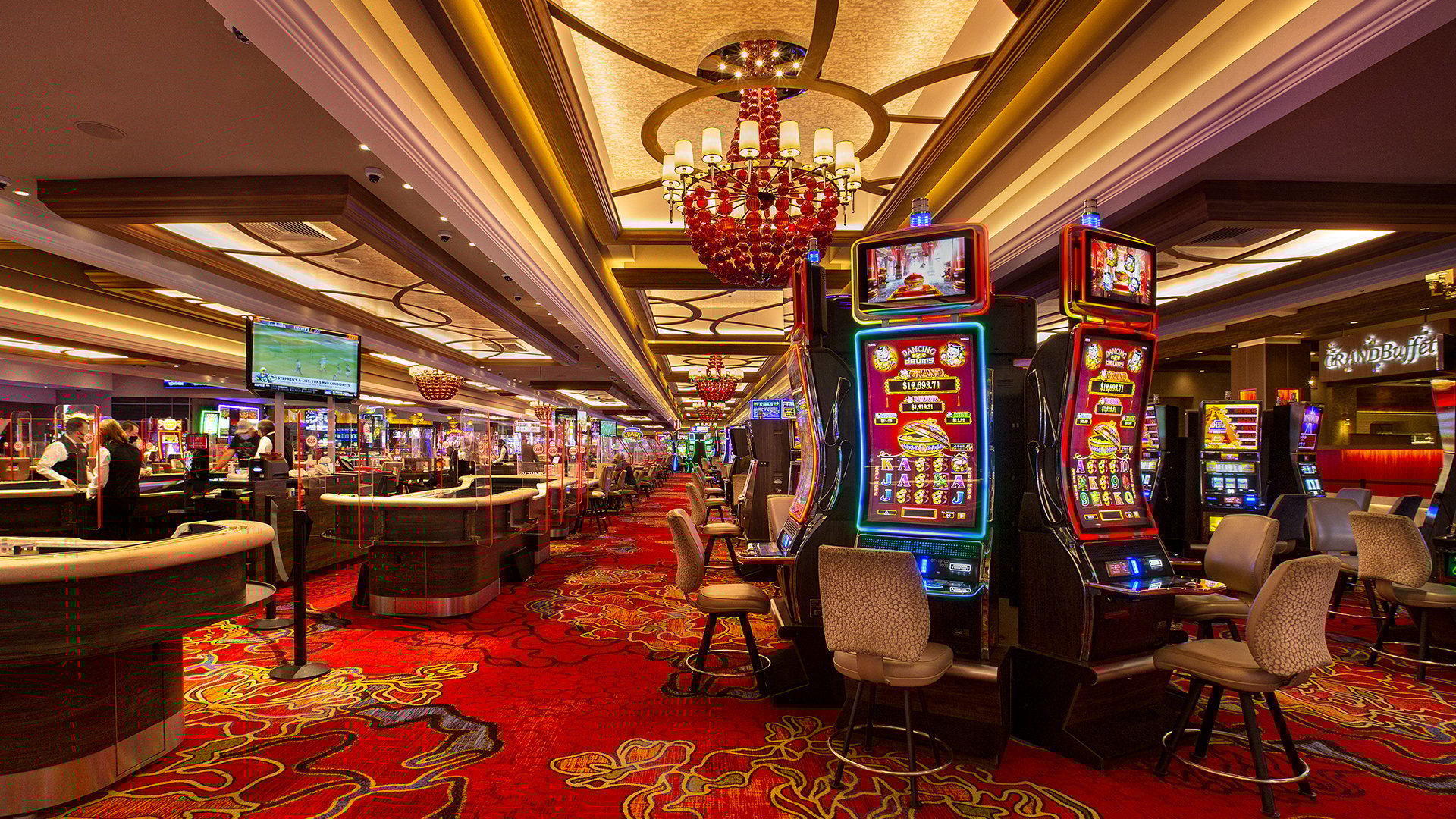
Game design significantly shapes player choices in casinos, with elements such as visuals, sound effects, and interactivity playing critical roles in attracting players. Bright colors, engaging themes, and immersive soundtracks can create an enticing atmosphere that enhances the overall gaming experience. For instance, slot machines that feature popular culture themes or captivating visual effects often draw players in, as the stimulating design can evoke nostalgia or excitement. This connection helps players emotionally invest in the game, often leading to prolonged play and a greater emotional attachment.
Furthermore, the mechanics of a game, such as rewards, pacing, and the frequency of wins, influence player preferences significantly. Games that provide frequent, albeit small, wins create a sense of accomplishment and encourage continued play. Players often gravitate toward these games as the perceived value of winning, however small, keeps their spirits high and encourages repetitive engagement. The psychology of variable rewards plays a significant role here; unpredictability in winning can create a compulsion to play more, as players chase the next big win, thus amplifying their overall engagement.
Additionally, social features such as leaderboards, multiplayer modes, and community bonuses within game designs can further enhance player attachment. When players see others succeeding, it can motivate them to attempt the same games, fostering a sense of camaraderie and competition. By incorporating elements that appeal to social interaction, casinos can create an environment where players frequently return, making informed choices based on factors driven by design rather than just chance, ultimately enhancing player loyalty and satisfaction.
The Emotional Dynamics of Winning and Losing
The emotional highs and lows associated with gambling significantly impact game selection in casinos. Winning can produce exhilarating emotional responses, reinforcing the behavior and encouraging players to seek out more gaming opportunities. The euphoric feeling of a big win can overshadow losses, leading players to focus on the potential for future victories rather than their overall gaming history. This cycle of winning and losing can create a profound emotional attachment to specific games, as players seek to replicate their euphoric experiences, often returning to the same games that have previously yielded favorable outcomes.
Conversely, the emotional fallout from losing can also shape decisions. Many gamblers experience a sense of loss that can lead them to chase their losses, often resulting in a selection of games that offer higher risks in hopes of recovering previous losses. This behavior underscores the psychological principle of loss aversion, where the pain of losing is felt more intensely than the pleasure of winning. Consequently, players may find themselves gravitating toward games that promise high returns in their quest to overcome emotional setbacks, which can lead to a cycle of increased risk-taking.
Understanding these emotional dynamics is crucial for both players and casino operators. For players, being aware of how wins and losses affect their mindset can lead to more responsible gaming habits, promoting a healthier relationship with gambling. For operators, recognizing the emotional triggers associated with their games can help create an environment that encourages sustainable play, leading to improved customer loyalty and satisfaction while ensuring that the gaming experience remains enjoyable and safe.
Insights for Responsible Gaming Practices
As the psychology behind casino game choices becomes clearer, it is increasingly important to implement responsible gaming practices. Players need to be informed about their tendencies and the psychological factors that influence their decisions. Education on cognitive biases, emotional dynamics, and risk-taking behavior can empower individuals to make better choices while gambling. By providing resources that promote awareness and self-assessment, casinos can encourage their patrons to engage in more mindful play, thereby fostering a healthier gaming environment.
Moreover, casinos have a responsibility to create environments that promote responsible gambling. This could involve implementing tools such as self-exclusion programs, deposit limits, and reality checks that alert players to their time and money spent. By fostering a culture of responsible gaming, casinos can help protect vulnerable players from the potential harms of excessive gambling while still providing an entertaining experience for those who choose to engage. These measures can enhance player safety and satisfaction.
The emphasis on responsible gaming not only benefits players but also strengthens the reputation of the casino industry as a whole. By prioritizing player welfare and promoting healthy gaming practices, casinos can build trust and loyalty among patrons. A commitment to responsible gaming practices creates a balanced environment where excitement and enjoyment coexist with safety and accountability, ultimately enhancing the overall gaming experience while ensuring that players can enjoy their time responsibly.