
L
isten towards elders. We had been constantly taught this developing upwards, however we hardly ever did very. We’d our own road to carve around.
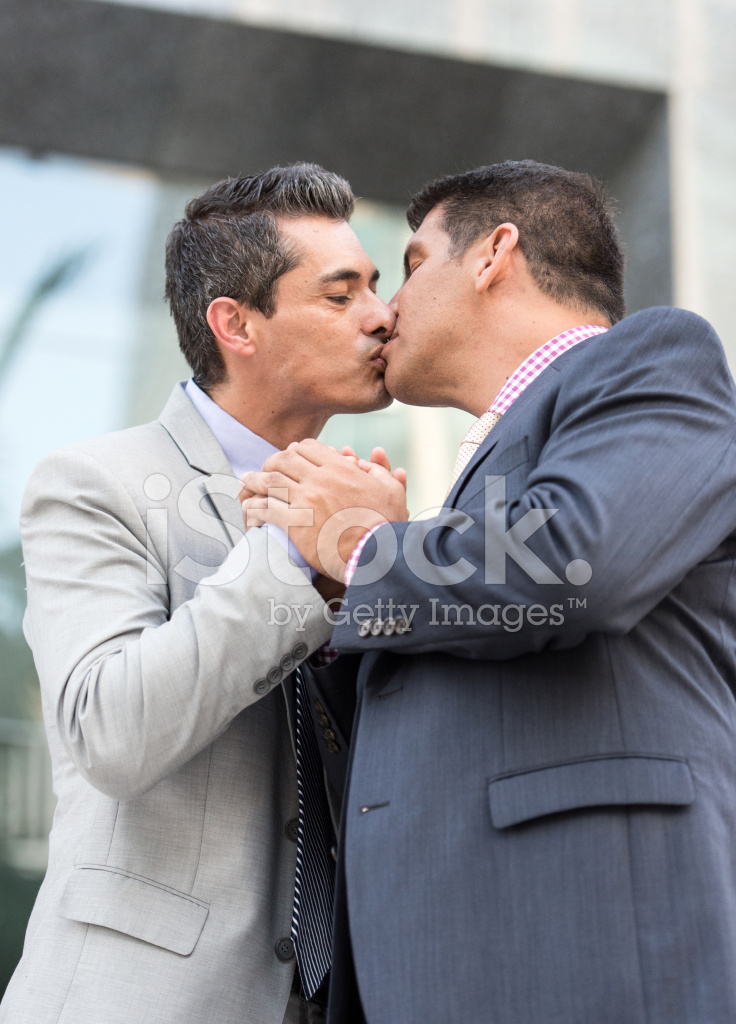
It is really not uncommon throughout quantities of society for us to generally speaking overlook the viewpoints of the elderly. The debate and discussion across the Matrimony Equality Postal Survey provides observed not an exception to the, with viewpoint getting desired from a variety of lovers and individuals that are possibly perceived as being of an age that’ll be the majority of afflicted by a modification of the wedding Act.
We heard various elder voices getting broadcast. These are generally, however, usually from those who would love to see relationship equality attained, so they really as well may wed. For many, you will find a desperate feeling of time running-out. They usually have waited many years.
Those against or ambivalent toward marriage aren’t generally speaking getting heard in this argument. I am aware this. We are battling more difficult than ever for an outcome and are also unwilling to include gas toward “No” flame, specifically from our own society.
Enjoying their unique opinions does, however, lead you to an awareness with the history of equal rights spanning the decades, and must never be left out of our dialogue. Rather than shrugging all of them off, perhaps we are able to start looking at all of our elders through a lens which broadens our very own ideas in our set in the schedule of activism and equivalence. In this instance, perhaps it is time to tune in to our elders.
I
n 2015, David Hardy released the beautiful anthology
BOLD: tales of for older gay, lesbian, bisexual, transgender and intersex men and women
. It permitted for stories getting heard from all those who have been living silently for many years. We contributed for this assortment of stories with an item on my precious friends Phyllis and Francesca. These ladies remain proud feminists, and from 1970 ahead, once they began life with each other as a couple of, they invested a great amount of time encouraging lesbians have been searching for a sense of that belong, and connections. In my own portion, I give some point of view on dilemmas worth addressing to that generation of activists.
“â¦we need to remember priorities were different to the lesbians of Phyllis and Francesca’s period. There were those perhaps not promoting for relationship between same-sex couples in 1970, many only willing to increase the general public profile of lesbians and tackle the personal stigma affixed⦠the goals in the ALM (Australian Lesbian activity) alongside homosexual and ladies’ liberation groups were significantly different to lots of organisations now with a present pay attention to relationship equivalence.”
What were the opinions towards matrimony a lot more broadly? Numerous have reflected that relationship was actually considered as a hit a brick wall and impaired organization, but additionally as a symbol of ladies’ inequality in culture. Besides happened to be many lesbians in opposition to standard arrangements, but thus as well were feminists more generally, despite their particular sexuality. As I discovered:
“Lesbians had been effective causes in feminist activity into the 70s, and relationship ended up being seen as a symbol of the oppression of women to be put aside together with fame containers and corsets.”
The reality that all of our trans buddies are increasingly being put aside regarding the legislative equation can be a stumbling-block for all competitors of marriage in this area, and that I learn Phyllis and I also have discussed this extremely worry. We dare state this ought to be our after that mission.
However, whilst we now have a lot to master from our LGBTIQ parents, regard is a two-way road and we since more youthful queers have actually a lot to show. So what does matrimony indicate to us? For most, really symbolic of the conclusion heteronormativity additionally the last unicorn of equivalence! Really a juggernaut with now just arrive too far to let it disappear into a political wasteland. We endured excessive misuse so that it rest.
H
ow we look at the elders, in addition to their encounters as well as their devote the queer society â plus generally â deserves settling now.
Archer Magazine
provides, with its concerted attempts to be including all, already been one program that spots the sexuality and connections of seniors from inside the spotlight. Our parents have actually a sex existence, they’ve got needs, views and encounters that people should all be concerned with. In the end, exactly how we treat our very own elders is a clear and stark glimpse into our very own futures. Do you ever like what you see?
Easily could, i’d combine upwards more youthful LGBTIQ individuals each with an elder guide, while the benefits to this relationship could be extensive for functions. We might never like just what our parents reveal, but it is still well worth a listen. Because marriage equivalence argument concludes, this might be a training we must find out for the future fights.
Belinda provides a passion for storytelling and spoken word poetry, with a love of queer background and stories of identification, migration in addition to urban landscape. In 2014, she and her spouse Cecile Knight introduced the self-published publication CO_The Creative Couples venture. She has already been released inside Victorian copywriter, n-SCRIBE, Mamamia.com, writingqueensland.com and also the 2015 anthology BOLD: stories from older lesbian, homosexual, bisexual, transgender and intersex folks by David Hardy, printed because of the rag-and-bone guy hit, and interviewed on SBS Italian radio discussing exactly the same gender Marriage postal vote as a queer Italian-Australian (soon become aired). In 2017, Belinda ended up being chosen your ACT authors center HARDCOPY pro development system for Non-Fiction on her present manuscript, our home because of the Columns.